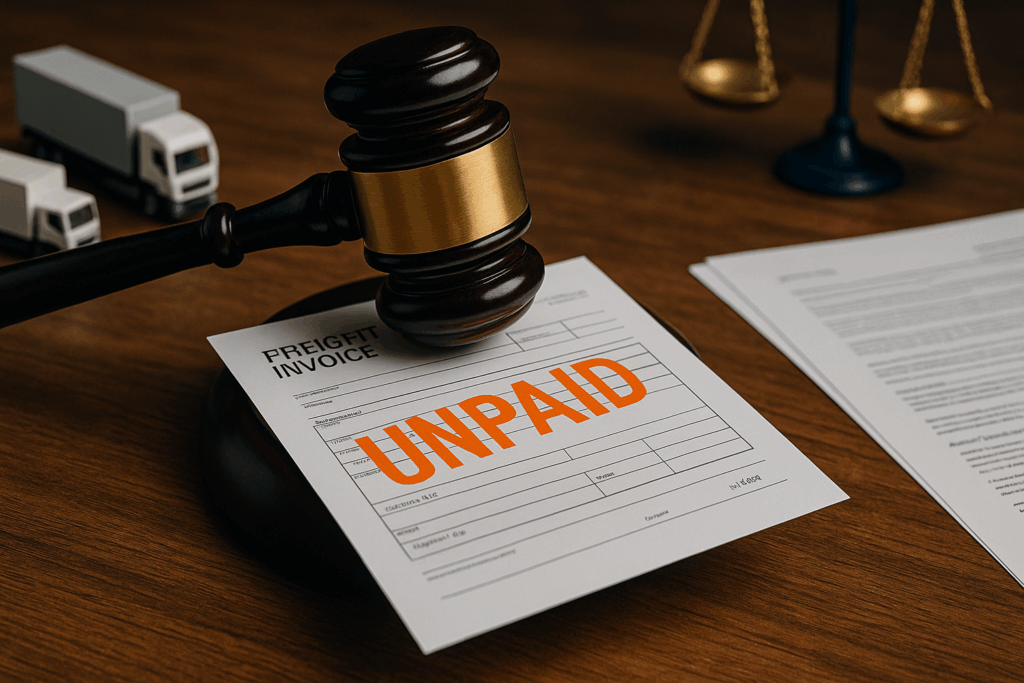
In the freight industry, broker-carrier agreements serve as the backbone of load delivery logistics. These contracts define responsibilities, payment terms, liability, and performance expectations. But when things go wrong — a broker refuses to pay, a carrier fails to deliver, or there’s a sudden reconsignment — the fallout can trigger expensive delays and financial harm.
That’s where broker agreement dispute services come in. Whether you’re a motor carrier or a broker, understanding how to enforce your freight contract rights is essential to keeping your business protected and profitable.
What Makes Broker-Carrier Contracts Legally Binding?
Broker-carrier agreements are legal contracts, and like any business contract, they must contain several key components to be enforceable:
- Offer and acceptance (clear terms agreed upon by both sides)
- Consideration (typically payment in exchange for delivery)
- Mutual consent
- Legal purpose
Most broker agreements also include terms related to:
- Payment deadlines
- Insurance and liability coverage
- Detention, layover, and fuel surcharges
- Dispute resolution methods (e.g., litigation or arbitration)
If both parties sign the contract — or even if the carrier accepts a load via a rate confirmation email — a legally enforceable relationship often exists. This means you can pursue carrier agreement enforcement when terms are violated.
Top Disputes We See in Freight Broker Agreements
Disputes arise most often from misunderstandings, vague contract language, or outright bad faith. Here are common problems that trigger broker agreement dispute services:
1. Non-Payment or Underpayment
The most common breach. Brokers may delay payment, short-pay invoices, or claim invalid deductions. Carriers are often left chasing funds weeks or months after completing a load.
2. Unauthorized Load Reconsignment
If a broker changes the delivery destination or terms without proper notice or consent, this may violate the agreement — especially if it causes losses for the carrier.
3. Double Brokering
In some cases, a load is re-brokered without the original carrier’s knowledge. This can lead to confusion over liability, delays, and disputes over who’s getting paid.
4. Insurance and Liability Conflicts
Disagreements over damage claims, delayed deliveries, or loss of cargo often stem from unclear contract terms or failure to follow insurance protocols.
Legal Steps to Enforce a Broker Agreement
When a freight broker violates the terms of your agreement, you have several legal tools to enforce your rights. Here’s a step-by-step look at how broker agreement dispute services typically proceed:
Step 1: Review the Contract and Gather Documentation
Before taking action, it’s critical to review the full broker-carrier agreement. Highlight the specific provisions that were violated. You should also collect:
- Rate confirmations
- Bill of Lading (BOL)
- Proof of Delivery (POD)
- Email correspondence
- Invoices and unpaid statements
This documentation will serve as the foundation for enforcement.
Step 2: Send a Formal Demand Letter
A professionally drafted demand letter signals your intent to take legal action. It outlines the nature of the breach, the amount owed, and the deadline for resolution. Often, this is enough to resolve the dispute without going to court.
Step 3: File a Complaint with the FMCSA or Surety Bond Company
If the broker is non-responsive, you can file a complaint with the Federal Motor Carrier Safety Administration (FMCSA) or seek recovery from the broker’s surety bond. All licensed brokers must carry a $75,000 surety bond, which can be used to compensate unpaid carriers.
Step 4: Pursue Mediation or Litigation
If other options fail, carrier agreement enforcement may require filing a lawsuit or initiating arbitration (if your agreement includes a binding arbitration clause). A trucking contract lawyer can guide you through this process and help maximize your recovery.
When to Hire a Trucking Contract Lawyer
Navigating freight broker contract help on your own can be risky — especially if you’re facing a sophisticated broker with legal counsel. Here’s when to call in a professional:
- Your unpaid invoices total thousands of dollars or more
- You suspect fraud or double brokering
- The broker is non-responsive or hostile
- The contract is complex or contains confusing clauses
- You’ve already attempted resolution without success
A qualified attorney can help enforce the agreement, file bond claims, and take legal action on your behalf — saving you time, money, and stress.
Frequently Asked Questions (FAQs)
Can I file a claim against the broker’s bond if there’s no signed contract?
Yes — if you have delivery records, rate confirmations, and communications proving the transaction, you may still qualify to recover through the broker’s surety bond.
What if I didn’t read the contract before signing?
Even if you didn’t read every line, courts generally assume that signing a contract means you accepted the terms. That’s why working with a trucking contract lawyer before signing any agreement is crucial.
How long do I have to file a dispute?
This varies by state and contract terms, but in many cases, the statute of limitations for breach of contract is 2 to 4 years. Acting quickly preserves your rights.
Conclusion: Protect Your Freight Business with Strategic Enforcement
When broker-carrier disputes threaten your cash flow or credibility, it’s time to assert your legal rights. With clear documentation, timely action, and the support of experienced broker agreement dispute services, you can resolve issues effectively — and often recover what you’re owed without going to court.
Whether you’re dealing with a shady broker, a reconsigned load, or unpaid freight invoices, don’t navigate these disputes alone. Enforce your rights. Protect your business. And get paid for the work you’ve done.
 Get Help Enforcing Your Broker Agreement Today
Freight Collection Solutions specializes in freight contract enforcement and broker dispute resolution.