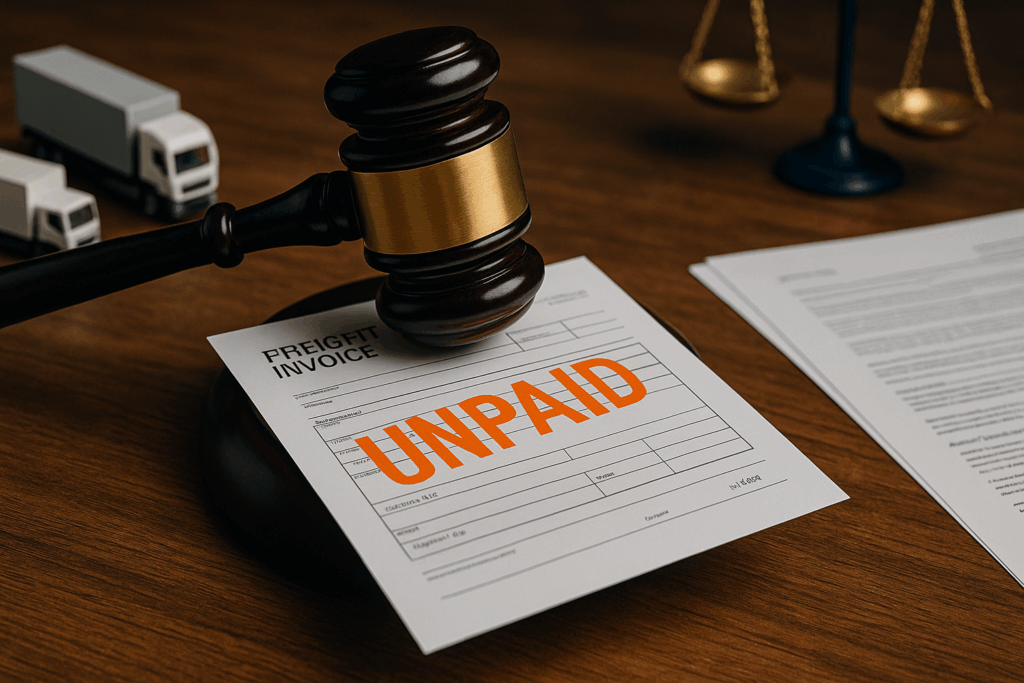
In the freight and logistics industry, even the best-run operations face unexpected losses. Damaged shipments, lost cargo, delayed deliveries—all of these can lead to costly disputes and unreimbursed invoices. That’s why every carrier, shipper, and broker needs to understand freight claims: what they are, how they work, and how to protect your business from unnecessary losses.
This guide will walk you through the essentials of freight claims, from the different types to legal considerations and best practices. If you’re managing freight invoices and worried about getting paid, this article is for you.
What Is a Freight Claim?
A freight claim is a legal demand for compensation due to loss, damage, delay, or overcharge related to a shipment. It allows the shipper (or sometimes the consignee or third party) to recover the value of the goods—or reimbursement for overcharges or service failures.
Freight claims play a critical role in both freight billing disputes and contingency freight debt collection, especially when payment is withheld due to unresolved issues.
Types of Freight Claims You Should Know
There are four major categories of freight claims, each with different legal implications:
1. Damage Claims
Filed when goods arrive visibly or internally damaged. Requires photo documentation and inspection reports.
2. Loss Claims
Used when goods never arrive at their destination. These are often tied to theft, misrouting, or documentation errors.
3. Delay Claims
Filed when time-sensitive shipments are delivered late, causing financial harm to the receiver (though these are harder to win under standard legal frameworks).
4. Overcharge Claims
Used when a carrier bills more than the agreed rate or adds unapproved accessorial fees.
Legal Framework for Freight Claims
Freight claims are governed by different laws depending on the mode of transportation:
- Domestic Ground (U.S.): Governed by the Carmack Amendment to the Interstate Commerce Act.
- International Shipments: Covered by treaties like the Hague-Visby Rules or CIM Convention.
- Air Cargo: Regulated under the Montreal Convention.
Under the Carmack Amendment, carriers are typically liable for the full invoice value of damaged or lost goods unless they can prove one of five specific defenses:
- Act of God
- Act of public enemy
- Act of public authority
- Act or default of the shipper
- Inherent vice or nature of the goods
Filing a Freight Claim: Step-by-Step
To recover freight-related losses, follow this standardized process:
Step 1: Identify the Issue Immediately
Inspect all incoming deliveries. Note any visible damage on the proof of delivery (POD) and take photographs.
Step 2: Collect Documentation
You’ll need:
- Bill of lading (BOL)
- Invoice showing shipment value
- POD with damage notation
- Photos of damage or packaging
- Inspection reports (if available)
Step 3: Submit the Claim
Carriers must receive claims in writing within:
- 9 months of the delivery date for most domestic shipments
- 60 days for some LTL carriers (check tariff rules)
Step 4: Negotiate or Escalate
If the claim is denied or delayed, legal intervention may be necessary—especially when the denied claim is used to justify non-payment of a freight invoice.
How Freight Claims Impact Debt Collection
Shippers and brokers often use freight claims to dispute unpaid invoices—sometimes legitimately, other times as a stalling tactic. A carrier may face delayed or withheld payments due to:
- An unresolved damage or loss claim
- Missing documentation or photos
- No signed POD to confirm delivery condition
In these cases, hiring a freight invoice contingency lawyer or contingency-based freight debt collection firm can help enforce your rights and recover payment—either by resolving the claim or separating the claim from the invoice itself.
Common Mistakes to Avoid
Avoid these costly errors when handling freight claims:
- Failing to document damages before accepting a shipment
- Missing filing deadlines
- Submitting incomplete documentation
- Not reviewing carrier liability limits (which may cap recovery below full invoice value)
- Assuming a denied claim ends the process (legal escalation is possible)
Proper training and proactive processes can significantly reduce these risks.
How to Protect Your Business from Freight Losses
Implement these best practices to reduce the chance of losses—and improve your odds of successful claims or invoice recovery:
- Use clear shipping contracts with liability terms defined
- Require signed rate confirmations for each shipment
- Photograph outgoing loads to document condition and packaging
- Train receivers to inspect and note issues on delivery
- Work with legal partners familiar with transportation law
FAQs About Freight Claims
 Can I still collect an invoice if a claim is in progress?
Yes—but it depends on contract terms. In many cases, the invoice and claim are treated separately. A freight invoice contingency lawyer can review the details and advise on collection options.
How long do carriers have to respond to a freight claim?
Carriers are required to acknowledge claims within 30 days and resolve them within 120 days, though delays are common.
What if the shipment was damaged by a subcontractor?
Under the Carmack Amendment, the primary carrier is usually responsible—even if a third-party carrier caused the damage.
Can I sue for a denied claim?
Yes. If you’ve submitted proper documentation and the claim is unjustly denied, legal action may result in full or partial recovery.
Real-World Example
A Midwest-based LTL carrier delivered goods that were later reported as damaged by the consignee. The broker refused to pay a $3,200 invoice, citing an unresolved claim.
The carrier hired a freight invoice contingency lawyer, who quickly reviewed the POD and damage photos. The broker’s claim lacked formal documentation, and the attorney sent a legal demand letter separating the claim from the freight charge.
Within 10 days, the carrier recovered the full invoice amount—with no upfront legal fees.
Don’t Let Freight Claims Derail Your Revenue
Freight claims are a reality of doing business in logistics—but they don’t have to disrupt your cash flow. With the right documentation, legal support, and proactive practices, you can minimize losses, respond to disputes with confidence, and get paid faster.
If freight claims are being used to stall or deny your rightful payments, it’s time to explore your legal options.
 Recover What You’re Owed—Even in Complex Freight Claim Disputes
At Freight Collection Solutions, we help freight companies resolve unpaid invoice disputes tied to freight claims—with no recovery, no fee. If your invoice is being held hostage by a claim, let our team step in and fight for what you’re owed.