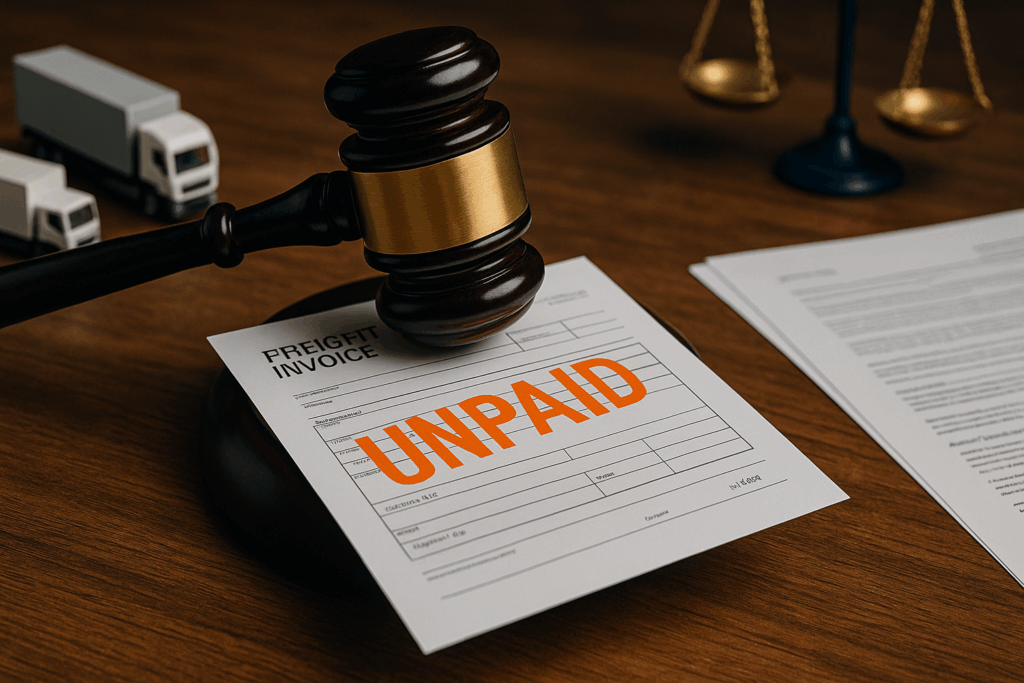
Freight factoring can be a smart way to smooth out cash flow and keep operations running. But when disputes arise between carriers and factoring companies—whether over chargebacks, delayed payments, or hidden contract terms—the results can be devastating. The impact of factoring disputes goes far beyond a single invoice; it can ripple through every area of a trucking business.
In this article, we explore both the legal and financial consequences of factoring disputes and how to manage them before they spiral out of control.
How Factoring Disputes Start
Factoring disputes typically arise from:
- Unexplained reserve holds
- Chargebacks due to customer disputes
- Breaches of contract terms
- Failure to release funds as promised
- Unilateral contract changes or account freezes
These issues often start with miscommunication, but when unresolved, they can trigger major operational disruptions.
Financial Consequences for Trucking Companies
1. Disrupted Cash Flow
The most immediate and painful result is loss of working capital. If your reserves are withheld or invoices go unpaid:
- Fuel cards bounce
- Payroll is delayed
- Load capacity drops
- New jobs can’t be accepted
Without access to cash, even a profitable fleet can stall in days.
2. Delayed Growth or Expansion
If you planned to add trucks, drivers, or lanes—factoring disputes can freeze those plans. Many carriers operate on tight margins, and when expected payments are withheld, you lose the ability to invest.
3. Credit Damage and Financing Barriers
Factoring companies often file UCC liens against your receivables. In a dispute, they may:
- Refuse to release the lien, blocking future financing
- Notify your brokers or clients, harming relationships
- Report negatively to business credit bureaus
This can make it harder to secure insurance, grow your fleet, or even rent equipment.
Legal Impact of Factoring Disputes
1. Breach of Contract Claims
Many disputes turn into legal battles. If the factor withholds funds without cause, the carrier may sue for:
- Breach of contract
- Unjust enrichment
- Conversion (wrongful holding of property/funds)
On the other hand, factoring companies may also sue carriers for early termination, chargebacks, or unpaid minimums.
2. Costly Litigation or Arbitration
Disputes often end up in arbitration or court. Legal battles can cost tens of thousands of dollars—and take months to resolve. Even if you win, the time and money lost can do lasting damage to your business.
3. Legal Liabilities to Clients or Brokers
If a factoring company contacts your clients during a dispute—or attempts to collect from them—you may face strained relationships or breach of contract claims with those clients.
Real-World Example: How a Dispute Took Down a Growing Carrier
A 15-truck fleet factored over $1 million in annual freight. When the factoring company began withholding reserves and charging back invoices without proof, the carrier disputed the actions. The factor refused to negotiate and froze payments. Within 60 days:
- Three drivers quit due to late pay
- One truck was repossessed
- The company defaulted on two loans
- The owner was forced to lay off staff and suspend operations
Legal action eventually recovered some funds, but the financial consequences and brand damage couldn’t be undone.
Emotional and Reputational Fallout
While numbers matter, the human side of a factoring dispute often gets overlooked:
- Owner stress and burnout from financial chaos
- Loss of trust between dispatchers, drivers, and leadership
- Industry reputation damage when brokers learn of internal issues
Reputation is hard to rebuild once trust is broken—especially in the tight-knit freight world.
How to Minimize the Impact of Factoring Disputes
1. Have a Contingency Plan
If you rely heavily on factoring, plan for “what if” scenarios:
- Emergency cash reserves
- Alternate lending sources
- Legal counsel on standby
2. Monitor Accounts Weekly
Regularly audit:
- Fund disbursements
- Reserve statements
- Communication with account reps
Catching red flags early is the best way to prevent escalation.
3. Enforce Your Contractual Rights
When you spot abuse or breach:
- Contact the factoring company with written concerns
- Reference your agreement
- Engage legal help immediately if they’re unresponsive
Many carriers suffer losses by waiting too long to take action.
Long-Term Business Strategy
If you’ve been burned by factoring:
- Reconsider whether you need factoring at all
- Explore invoice insurance or credit protection tools
- Build direct broker or shipper relationships
- Invest in legal review before signing any new agreement
Some carriers transition away from factoring completely by tightening customer payment terms and using fuel advances or lines of credit instead.
Conclusion: Don’t Underestimate the Impact of a Factoring Dispute
The impact of factoring disputes is rarely limited to a single invoice. From cash flow crashes to lawsuits and broken client relationships, a poorly handled dispute can derail even a thriving freight company. But with the right contracts, proactive legal support, and financial strategy, you can recover—and come back stronger.
 Facing a Freight Factoring Dispute?
Freight Collection Solutions helps trucking companies recover funds, end toxic factoring relationships, and fight back against financial abuse. Don’t let one contract jeopardize your entire business.