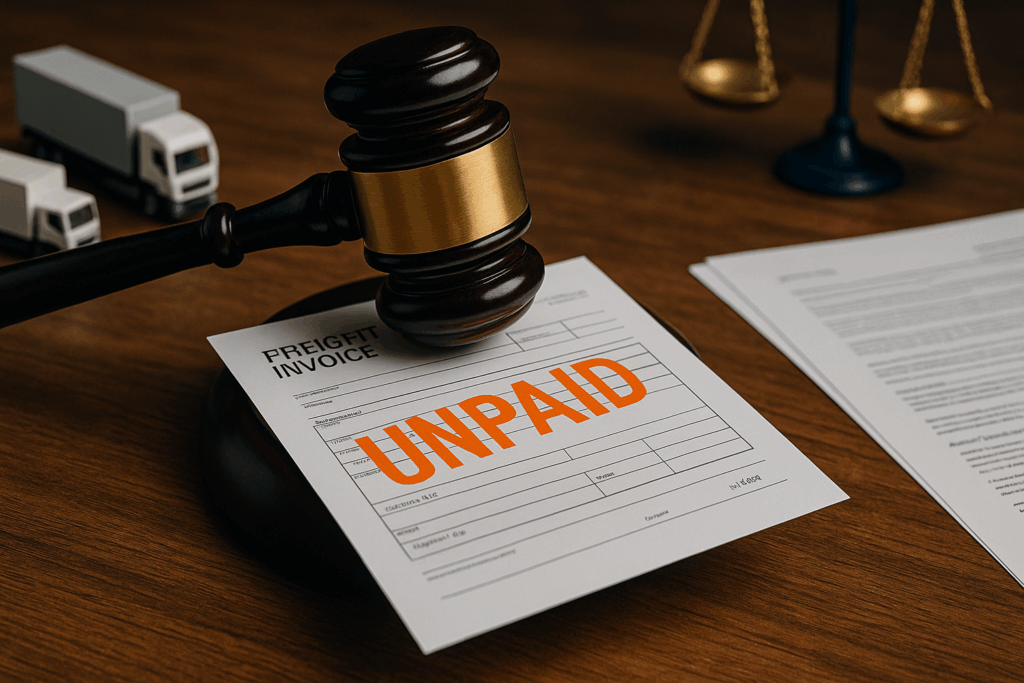
How to Recover Unpaid Freight Invoices Without Damaging Client Relationships
In the transportation industry, dealing with unpaid freight invoice recovery isn’t just about chasing money—it’s about preserving your reputation, maintaining partnerships, and protecting your bottom line. Aggressive collections can sour a client relationship, but ignoring unpaid invoices can leave you vulnerable to serious cash flow disruptions.
This guide walks you through actionable steps to recover unpaid freight invoices professionally, ethically, and effectively—without burning bridges.
Why Do Freight Invoices Go Unpaid?
Freight invoice disputes and delays are more common than you might think. Carriers, brokers, and shippers all face challenges that can lead to non-payment. Common causes of unpaid freight invoice recovery issues include:
- Delivery damage disputes
- Rate disagreements
- Unclear or missing documentation
- Internal billing errors
- Deliberate stalling from bad actors
Before taking any legal or aggressive steps, it’s essential to investigate the reason behind the delay. A strong, client-centered approach early in the process can prevent escalation and support long-term success in freight debt recovery.
Step 1: Gather Your Documentation First
Before engaging with your client, review all shipment and payment records. In the world of transportation debt collection, documentation is your first line of defense.
Checklist:
- Bill of Lading (BOL): Establishes the terms of carriage
- Proof of Delivery (POD): Confirms delivery completion
- Signed Rate Confirmation: Clarifies agreed charges
- Invoice Copy: Must be accurate and itemized
- Email Correspondence: Supports any rate or delivery discussions
The more complete your documentation, the easier it will be to support your claim and move the unpaid freight invoice recovery process forward without dispute.
Step 2: Send a Courteous Payment Reminder
Always start with diplomacy. A friendly tone reminds your client of the obligation without immediately escalating tensions.
Example Email:
Subject: Friendly Reminder – Freight Invoice #10258
Hi [Client],
I hope things are going well on your end. I wanted to follow up on Invoice #10258 for the delivery completed on [date], which appears to be past due. Please let me know if there are any issues or if payment is already in progress.
Thanks in advance for your attention to this matter.
Best regards,
[Your Name]
This respectful nudge often resolves unpaid freight invoice recovery issues before they require further action.
Step 3: Provide Clear Payment Options
If your client is cooperative but experiencing financial difficulty, offering flexible options can support the freight debt recovery process without sacrificing the relationship.
Options might include:
- Installment arrangements
- Temporary deferments
- Early payment discounts (if feasible)
This shows professionalism and encourages loyalty, while still affirming your right to be paid.
Step 4: Escalate With a Demand Letter
If friendly reminders go ignored, a formal demand letter is the next appropriate step in the unpaid freight invoice recovery journey.
Your letter should include:
- Invoice details and supporting documentation
- Clear payment expectations
- A deadline (7–10 business days)
- A professional yet firm tone
Many carriers and freight forwarders see payment within days of sending a strong, attorney-reviewed demand letter—especially if the letter signals a willingness to involve a transportation debt collection firm.
Step 5: Use Legal Tools Designed for the Freight Industry
When voluntary payment efforts fail, specialized legal remedies can give you the leverage you need.
H2: Filing a Broker Bond Claim
Under FMCSA regulations, brokers must maintain a surety bond (typically $75,000 minimum). If a broker fails to pay, you may be eligible to file a bond claim as part of your unpaid freight invoice recovery strategy.
You’ll need:
- The broker’s MC number
- Rate confirmations and invoices
- BOLs and PODs
- Written demand evidence
This tool is often underused but can be highly effective in freight debt recovery involving brokers.
H2: Enforcing Lien Rights
In some cases, a carrier may be able to enforce a transportation lien under UCC provisions. These allow you to retain or place a lien on the freight or proceeds until payment is made.
Because lien enforcement laws vary by state and shipment type, consult a transportation debt collection attorney to avoid missteps.
Step 6: When to Hire Legal Help
Professional legal support becomes necessary when:
- You’ve exhausted your internal collection options
- The debt amount is significant
- The client is disputing the charge in bad faith
- You’re ready to pursue litigation or bond enforcement
An experienced unpaid freight invoice recovery lawyer can help you recover the balance owed while preserving future business opportunities, especially if the client is someone you may want to work with again under better terms.
Prevention Tips to Avoid Future Non-Payment
H3: Establish Clear Credit Policies
Before accepting a load, confirm your payment terms in writing. Include:
- Net 15 or Net 30 terms
- Penalties for late payment
- Acceptable payment methods
Put everything in your rate confirmation or service agreement.
H3: Automate Invoicing and Follow-Ups
Use digital invoicing software that includes:
- Automatic reminders
- Tracking for sent/received status
- Client-specific payment dashboards
The more streamlined your process, the fewer unpaid freight invoice recovery issues you’ll encounter.
H3: Vet New Brokers and Shippers
Check FMCSA bond status and use third-party credit rating tools. Don’t rely solely on past experiences or verbal assurances. Prevention is key to sustainable freight debt recovery.
Real-Life Scenario: Freight Invoice Paid Within 48 Hours After Legal Contact
A California-based carrier had been chasing a $22,000 unpaid freight invoice from a familiar broker. Despite multiple emails and calls, payment was “pending” for over 90 days.
After retaining a transportation debt collection firm, the carrier sent a demand letter referencing the broker’s FMCSA bond. Within 48 hours, the broker wired the full payment to avoid a formal bond claim.
This case underscores the power of timely, informed legal intervention—and how it can move the needle fast in the freight debt recovery process.
Frequently Asked Questions
How long should I wait before taking legal action?
If the invoice is more than 45 days past due and communication has stalled, it’s time to consider legal recovery. Waiting too long can weaken your position and harm your cash flow.
What’s the role of a Bill of Lading in unpaid freight invoice recovery?
The BOL is a contract of carriage that establishes your right to payment. It’s one of the most critical documents in any freight debt recovery case and should be preserved for every load.
Can I recover attorney’s fees?
Only if your agreement includes a provision for it. Many transportation service contracts now include clauses allowing legal fee recovery in unpaid freight invoice recovery actions.
Conclusion: Be Firm, Fair, and Strategic
Freight businesses can’t afford to leave invoices unpaid—but they also can’t afford to destroy client relationships through hostile tactics. A structured, professional approach to unpaid freight invoice recovery not only protects your finances but also strengthens your credibility.
At Freight Collection Solutions, we specialize in transportation debt collection that works—with minimal disruption to your operations. Whether you’re chasing $5,000 or $50,000, we have the tools and experience to help you get paid.
Contact Us Today for Immediate Assistance
If you’re facing unpaid freight invoices and need help getting paid, Freight Collection Solutions Law Group is here for you. Let us handle the legal details while you focus on your business.
For immediate assistance, contact us at 713-940-1886 or fill out the form.