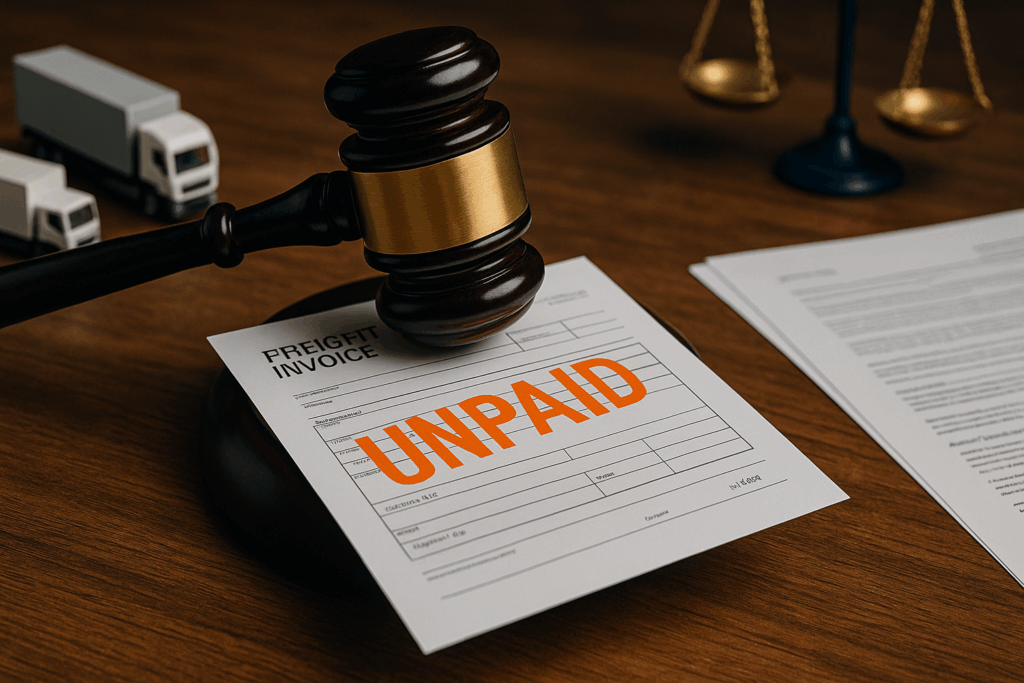
FMCSA payment recovery is a crucial legal remedy for trucking companies and carriers who have delivered loads but remain unpaid. When a freight broker fails to meet their financial obligations, the Federal Motor Carrier Safety Administration (FMCSA) bond process becomes your backup plan. Understanding how to file a claim against a freight broker’s bond—typically a BMC-84 or BMC-85—is essential for securing your payment without unnecessary delays.
What Is an FMCSA Freight Broker Bond?
To protect motor carriers from non-payment, the FMCSA requires brokers to secure a bond or trust—known as a BMC-84 (surety bond) or BMC-85 (trust fund)—as a financial safety net.
These bonds:
- Are federally mandated ($75,000 minimum coverage)
- Serve as a guarantee that brokers will pay carriers and shippers as agreed
- Allow unpaid carriers to seek compensation when brokers default on payments
FMCSA payment recovery begins by identifying and understanding these bond options and how they relate to your unpaid invoices.
When Can You File a Freight Broker Bond Claim?
Carriers can initiate a freight broker bond claim under specific circumstances:
- You’ve delivered a shipment as agreed
- The broker has not paid you within the contractual timeframe
- You have documentation to prove the agreement and delivery
FMCSA payment recovery is not a remedy for disputes over service quality—it’s for situations where valid freight charges have gone unpaid. Delays in filing or incomplete paperwork can result in claim denial, so it’s vital to act quickly and thoroughly.
Step-by-Step: How to File a Claim Against a Freight Broker’s FMCSA Bond
1. Identify the Broker’s Surety Provider
You can search the broker’s FMCSA record using the FMCSA’s Licensing & Insurance portal:
https://li-public.fmcsa.dot.gov/LIVIEW/pkg_carrquery.prc_carrlist
Look for the BMC-84 surety company or BMC-85 trustee listed.
2. Gather Your Supporting Documentation
Include:
- Rate confirmation
- Proof of delivery (POD, BOL)
- Unpaid invoice
- Broker-carrier agreement
- Communication records (e.g., unpaid demand emails)
3. Contact the Surety Company
Submit your claim directly to the surety or trustee listed. Many have claim forms on their websites.
4. Submit Your Claim in Writing
Use certified mail or another verifiable method. Include all supporting documentation and a clear summary of the claim.
5. Follow Up and Track the Timeline
Sureties are required to investigate claims promptly. Most resolve within 30–60 days, though disputes can extend the process.
Throughout the FMCSA payment recovery process, keeping records and documenting every step increases your chances of success.
Common Challenges in Freight Broker Bond Claims (and How to Overcome Them)
Even with strong documentation, claims can be delayed or denied. Here’s how to avoid common pitfalls:
Broker Disputes Your Claim
They may allege:
- No delivery occurred
- Rate was different
- Load was damaged
Solution: Submit additional evidence like signed BOLs, GPS logs, or communications showing agreement terms.
The Surety Requests Additional Information
If the surety requests clarification or more documents, respond promptly and thoroughly.
The Broker Is Out of Business
Still file the claim. The bond or trust is meant for these situations.
If you encounter resistance or delay, working with an FMCSA attorney for carriers ensures proper legal pressure is applied.
FAQs About FMCSA Payment Recovery and Bond Claims
What is the deadline to file a freight broker bond claim?
Most sureties set a 12-month limit from the date of delivery, but early filing is always best.
How much can I recover from the bond?
Up to the full value of your unpaid invoice, as long as it falls within the broker’s $75,000 bond cap.
What happens if multiple carriers file against the same bond?
Bond funds are distributed proportionally among all approved claims, which is why filing early is critical.
Can I file claims for multiple unpaid loads?
Yes, each unpaid load can be part of a single claim or submitted separately, depending on documentation.
When to Involve an FMCSA Attorney
Some carriers try to handle freight compliance debt collection alone and only seek legal help when things get messy. But early legal guidance:
- Helps identify whether the broker has a history of non-payment
- Ensures proper claim documentation and legal framing
- Can increase pressure on sureties or brokers who delay payouts
An experienced attorney can also pursue litigation or settlement when bond claims are denied unfairly.
Conclusion
Freight carriers deserve to be paid—and the FMCSA bond system exists to protect your right to timely compensation. By understanding the BMC-84 and BMC-85 claim process and taking swift, strategic action, you can recover what you’re owed and get back to business. If your unpaid invoice is in limbo, don’t wait.
 Legal Support When You Need It
Let Freight Collection Solutions help you file your FMCSA bond claim the right way—fast, compliant, and legally sound. Our team specializes in FMCSA payment recovery and bond enforcement strategies that get results.