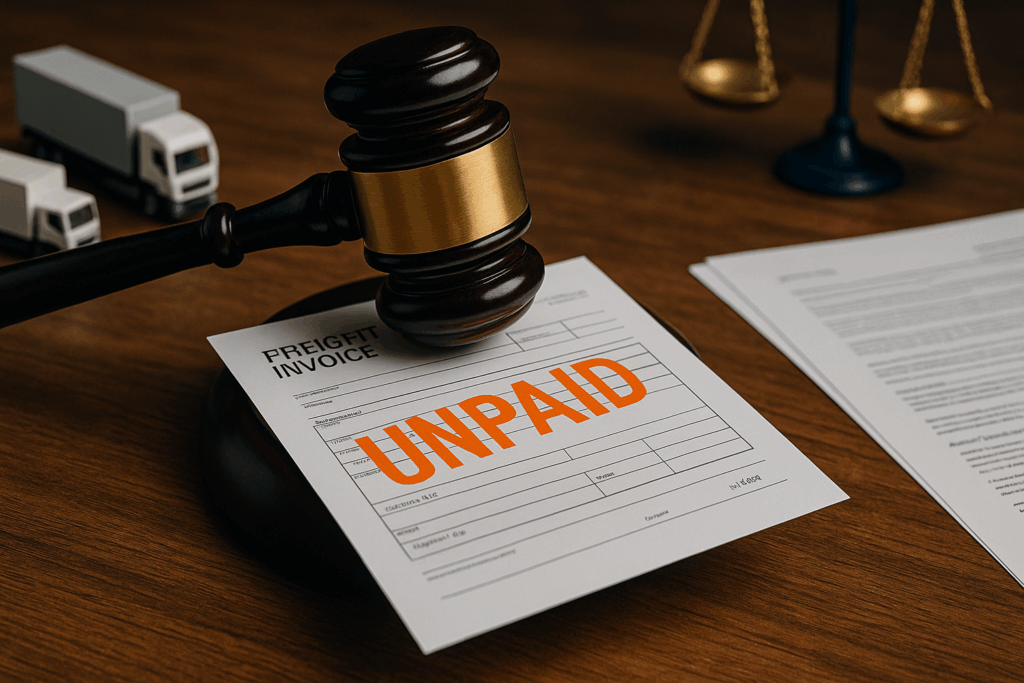
When a freight factoring company demands repayment for unpaid invoices or withholds funds after delivery, freight companies are often left confused, frustrated, and financially strained. These disputes can become legal battles if not handled properly. Whether you’re pursuing payment or defending against unjust chargebacks, understanding factoring debt collection is critical to protecting your business.
This guide breaks down how factoring debt collection works, your legal options, and the best strategies to recover what’s rightfully yours.
The Basics of Factoring and Debt Collection
Freight factoring is when a trucking company sells its unpaid invoices to a factoring company in exchange for immediate payment—usually 80% to 90% of the invoice’s value. The factor then collects the full amount from the shipper or broker and keeps a fee.
But when a customer disputes the invoice, goes bankrupt, or delays payment, the factor may:
- Charge back the invoice to the carrier
- Deduct funds from future advances
- Withhold reserves or sue the carrier under recourse terms
That’s where factoring debt collection becomes more than just accounting—it becomes legal.
When Does a Factoring Company Pursue Collection?
Factoring companies may initiate collection when:
- An invoice remains unpaid beyond a set number of days (usually 90+)
- The debtor disputes the service, delivery, or rate
- Required documents (like PODs) are missing
- A recourse agreement puts nonpayment risk on the carrier
Many carriers don’t realize they’re on the hook for these debts—until funds are suddenly deducted or legal notices arrive.
Freight Companies as Collection Targets
Recourse vs. Non-Recourse Collection
- Recourse Factoring: The factor can legally collect from the carrier if the customer fails to pay.
- Non-Recourse Factoring: Risk should lie with the factor—but contracts often include exceptions that shift liability back to the carrier.
Always review whether your agreement allows for freight debt recovery from your company, and under what conditions.
Real-World Example
A freight carrier had over $40,000 in unpaid invoices factored under a non-recourse agreement. When the shipper declared bankruptcy, the factor demanded repayment, citing a technical documentation failure. Legal review showed the chargeback was unjustified, and the carrier recovered most of the funds.
Legal Debt Collection Strategies That Work
1. Review the Factoring Agreement
Your contract governs everything. Before responding to collection efforts or seeking to recover funds yourself, carefully review:
- Chargeback clauses
- Recourse obligations
- Dispute resolution terms
- Notice requirements
If the factor acted outside these terms, they may be in breach of contract.
2. Send a Formal Demand Letter
If you’re owed funds—or believe the factor’s actions are illegal—start with a demand letter. This outlines your position, requests repayment or release of funds, and sets the stage for further legal action.
3. Leverage Mediation or Arbitration
Many factoring contracts require alternative dispute resolution (ADR) before going to court. This includes:
- Mediation: An informal, non-binding negotiation with a neutral party
- Arbitration: A binding process where an arbitrator issues a final decision
An experienced attorney can represent you in either format.
4. File a Lawsuit (When Necessary)
If negotiations fail, you may need to:
- Sue the factoring company for breach of contract
- Defend against a lawsuit filed against your company
- Seek declaratory relief to clarify contract interpretation
Work with a lawyer who understands legal debt collection strategies in the freight industry.
How to Respond If You’re Being Sued by a Factoring Company
Don’t Ignore It
If you receive a demand letter or complaint from a factoring company, respond promptly. Ignoring legal action can result in a default judgment—even if you’re in the right.
Get Legal Help Immediately
Hire a lawyer with experience in freight factoring disputes and commercial debt. They can:
- Review the contract
- Draft a response
- Negotiate a settlement
- Represent you in court
Legal defense is often less costly than repaying an unjustified debt.
Collecting on Debts You’re Owed
Sometimes the shoe is on the other foot—you’ve delivered the load, submitted paperwork, and still haven’t been paid.
Legal Tools for Freight Debt Recovery
- Demand letters to the shipper or broker
- Collection actions against slow-paying or non-paying parties
- Assignment of claim disputes where both the factor and customer deny responsibility
A skilled legal team can help determine whether the debt lies with the factor, the shipper, or a third-party broker.
Preventing Future Collection Disputes
Vet Your Factoring Company Carefully
Look for red flags like:
- Complicated or vague contract language
- Frequent chargebacks with other clients
- Limited access to reserves or statements
Ask for sample agreements and get a legal review before signing.
Keep Pristine Documentation
Invoice disputes often stem from:
- Missing PODs
- Unclear delivery times
- Poor communication between dispatch and accounting
Train your team to maintain clean, accessible records to reduce disputes and strengthen your legal position.
Conclusion: Take Control of the Collection Process
Whether you’re on the receiving end of aggressive chargebacks or trying to recover withheld payments, factoring debt collection doesn’t have to derail your business. With legal insight, smart strategy, and a strong paper trail, you can push back against unfair demands—and get paid for the work you’ve already done.
 Need Help with Freight Debt Collection?
Freight Collection Solutions helps trucking companies defend against unfair chargebacks and recover unpaid invoices from factoring companies, brokers, and shippers. We understand the laws, contracts, and risks unique to the freight industry.